Shopping for sand mix concrete in Westminster, MD usually means one of three jobs: a patio pour, a foundation patch, or a backfill around the Route 140 corridor. Picking the wrong sand grade is the single most common mistake we see on small residential pours. This guide breaks down the material options, the math behind ordering the right amount, and the local code details that actually change your project.
I'm part of the estimating team at EMG Paving and Roofing, and we've walked more than one Westminster homeowner back from an order of masonry sand when their slab needed concrete sand instead. That mix-up weakens the pour every time, so getting the terminology straight before you order matters more than the price per yard.
Sand Mix vs. Concrete Mix: Which One Do You Actually Need?
These two terms get used interchangeably, but they are not the same product.
- Concrete mix contains cement, sand, and coarse gravel. It's built for structural work: footings, slabs, and anything that needs to bear a load.
- Sand mix (sometimes called "sand topping mix") contains cement and sand only, with no gravel. It's designed for thin repairs, patching, and resurfacing where a 1/2-inch to 2-inch layer is all you need.
If you're pouring a new 4-inch patio slab, you want concrete mix. If you're skim-coating a cracked driveway surface or patching a step, sand mix is the right call. Using sand mix on a job that needs structural gravel will crack under vehicle weight or heavy foot traffic.
Materials We Deliver in Westminster, MD
Beyond bagged mixes, most Westminster projects start with bulk sand or aggregate. Here's what's typically stocked locally and what each one is actually for.

| Material | Grain Size | Best Use | Swap-In Risk |
|---|---|---|---|
| Concrete sand | Coarse, angular | Structural concrete mixes | Don't substitute for masonry sand |
| Masonry sand | Fine, rounded | Mortar, brick joints | Weakens structural pours |
| Fill sand | Variable, unwashed | Backfill, grading | Lacks gradation for concrete |
| Crushed concrete | Recycled aggregate | Driveways, sub-base | Not for new structural pours |
Concrete Sand
Concrete sand is a coarse aggregate that meets ASTM C33 standards for structural concrete, with larger, angular particles that create the mechanical interlock needed to support heavy loads. That's the official grading standard suppliers should be able to point to on request. If a yard can't confirm their sand is graded to that spec, ask for documentation before you order.
ASTM's own specification defines the grading and quality requirements for fine and coarse aggregate used in concrete, and fine aggregate consists of natural sand, manufactured sand, or a combination of the two. You can review the full ASTM C33 specification if you want the technical detail behind the grading tables.
Masonry Sand
Masonry sand is a much finer material with most particles falling between the #30 and #100 sieve sizes, and it must follow ASTM C144, which focuses on performance in mortar for walls and blocks rather than structural load-bearing. Swap it into a concrete batch and the bond weakens immediately, since the fine grains don't lock together with gravel the way coarse concrete sand does.
Fill Sand
Fill sand is a lower-grade, unwashed sand used for backfilling trenches and leveling low spots. It compacts well underground but skips the gradation testing that concrete work requires, so keep it off structural jobs.
Crushed Concrete
Recycled aggregate has become a standard driveway and sub-base material. Brick, concrete, and masonry can be recycled on site as fill, subbase material, or driveway bedding , which is why it's a budget-friendly option for base layers even though it's not meant for new structural pours. The EPA's guidance on construction and demolition material reuse covers where recycled concrete fits in a project.
Gravel
Gravel is the companion aggregate sold alongside concrete sand. A proper structural batch needs both sand and stone in the right proportion, which is why suppliers almost always quote the two together.
Ready-Mix Concrete: When Pre-Batched Beats a DIY Mix
If hand-mixing bags on site isn't practical for the volume you need, pre-batched ready-mix combines cement, sand, and gravel in a single delivered load. Producers that follow NRMCA's quality control guidance document the scope of their QC department, personnel training, and aggregate testing requirements , which is a reasonable thing to ask a supplier about before a large pour. For a deeper look at how aggregate ratios affect finish and strength, our aggregate concrete cost and installation guide for Annapolis, MD walks through mix design in more detail.
How Much Sand Mix Concrete Do You Need?
A common rule of thumb for structural concrete is roughly 1 part cement, 2 parts sand, and 3 parts gravel by volume, though exact ratios shift based on the strength class you're targeting. For a quick gut-check on a small job:
- A 10' x 10' slab poured 4 inches thick needs just over 1.2 cubic yards of total mix.
- A 10' x 10' sand-bedding layer at 1 inch thick needs roughly 0.3 cubic yards of sand alone.
- Always round up, since running short mid-pour means a cold joint and a weak spot.
On patching jobs, sand mix (no gravel) is sold by the bag, and coverage is printed on the packaging. For anything larger than a walkway patch, call your supplier with the square footage and depth. They'll do the math faster and more accurately than a generic calculator.
Frost Depth, Permits & Local Code Notes for Westminster Pours
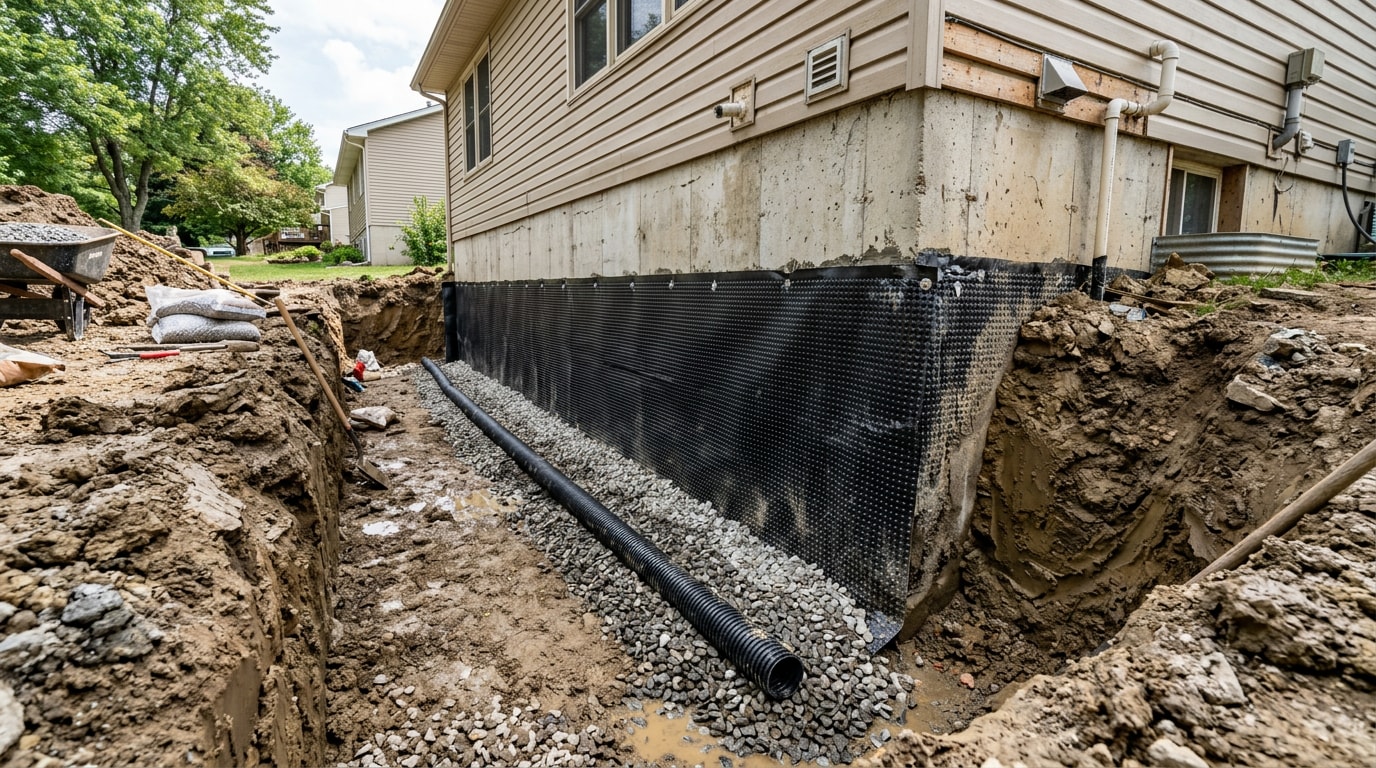
This is the part most sand and gravel yards skip over, and it's the difference between a pour that lasts and one that heaves in year two. Carroll County sets its frost line depth at 30 inches, meaning the minimum depth from finished grade to the bottom of all footings must be 30 inches or extend to solid bearing, whichever is greater. If you're pouring a footing for a shed, porch, or addition, this is the number your inspector will check first.
Concrete footings can't be poured through water or on frozen soils, and they have to be protected from freezing during construction and for at least five days afterward. That means late-fall and winter pours in Westminster need cold-weather protection (insulated blankets or heated enclosures) or they risk failing inspection. You can review the full requirements on the Carroll County construction code amendments page. If your project involves regrading before the pour, our site grading and preparation service handles the excavation and compaction work that frost-depth footings require.
Delivery, Scheduling & Service Area in Westminster, MD
Ordering bulk material shouldn't require guesswork before you commit.
How it works:
- Pick your material (concrete sand, masonry sand, fill sand, or gravel) and estimate quantity.
- Get a price based on your ZIP code and delivery distance.
- Schedule a delivery window that fits your pour date.
Areas typically served:
- Westminster's 21157 and 21158 ZIP codes
- Surrounding Carroll County towns and townships
- Projects along the Route 140 and Route 97 corridors
Confirm your exact coverage on our Westminster, MD service area page before placing an order, or browse the full paving materials supplier catalog for current stock.
Choosing the Right Supplier
A few questions separate a reliable yard from one that'll cost you a redo:
- Can they confirm the concrete sand meets ASTM C33 grading?
- Do they document QC testing, or just take your word for the mix?
- Is recycled aggregate sourced and screened, not just dumped demolition debris?
- Will they commit to a delivery window, not just a delivery day?
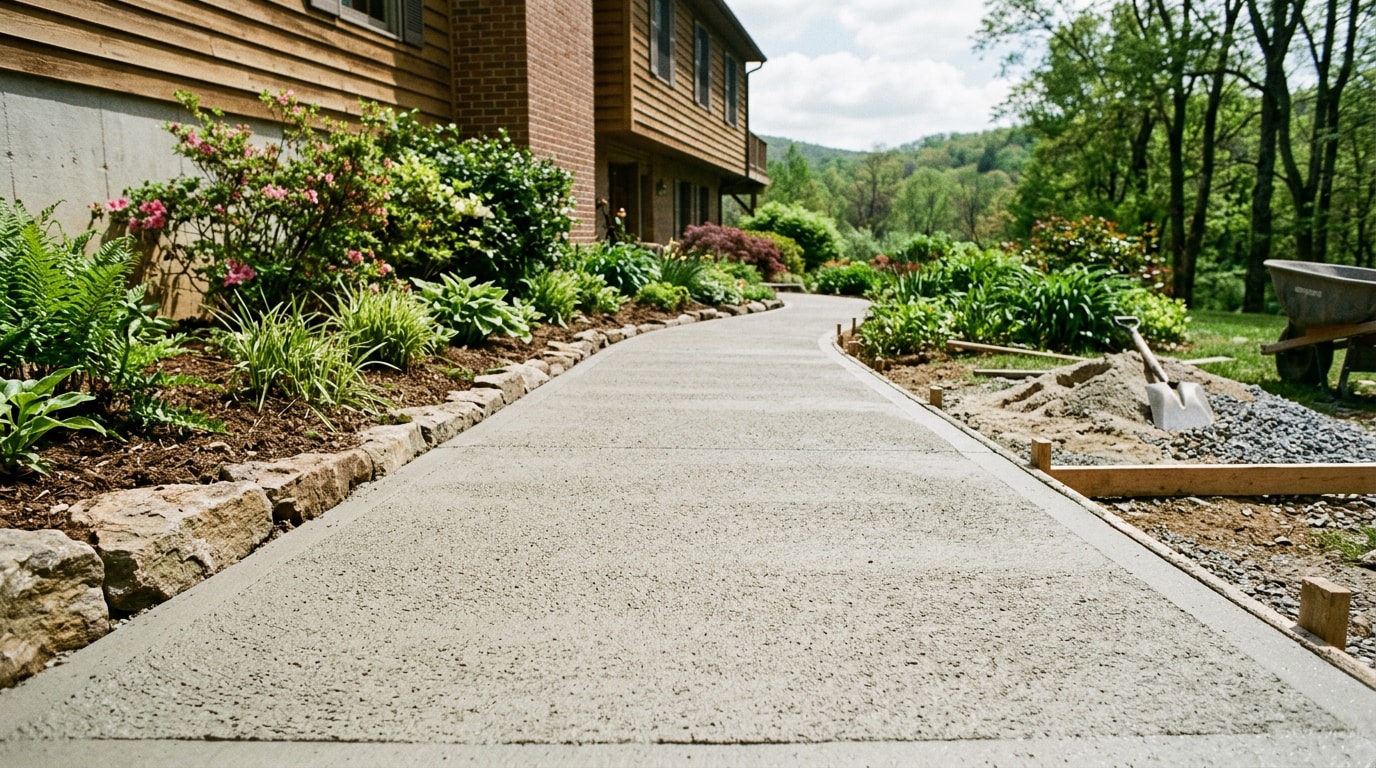
If you're pairing material delivery with installation, whether that's a new patio, a walkway, or a full hardscape project, our walkway and patio installation team can handle the pour from grading through finish. Visit our homepage to see the full range of paving, roofing, and materials services we run across Carroll County, or get a free estimate directly if you already know what the job needs.
FAQ
What is the difference between sand mix and concrete mix?
Concrete mix includes coarse gravel for structural strength, while sand mix skips the gravel entirely and is meant for thin patching or resurfacing jobs, not load-bearing pours.
What is concrete sand used for?
Concrete sand mixes structural concrete and mortar, and it also serves as a leveling base layer beneath pavers, patios, and walkways.
How much sand do I need to mix concrete?
A common starting ratio is roughly two parts sand to one part cement and three parts gravel by volume, though you should confirm exact quantities with your supplier for your specific slab size and strength class.
Can you use masonry sand instead of concrete sand?
No. Masonry sand's finer grain doesn't lock together with gravel the way concrete sand does, so substituting it into a structural mix weakens the finished pour.
Do I need a permit to pour a concrete slab in Westminster, MD?
Most structural pours, including footings, foundations, and additions, require a permit and inspection under Carroll County's construction code. Simple patio slabs on grade sometimes fall outside that requirement, but check with the county's permits office before you pour.
How deep do footings need to be in Carroll County?
Carroll County's frost line sits at 30 inches below finished grade, and footings must reach that depth or bear on solid ground, whichever is deeper.