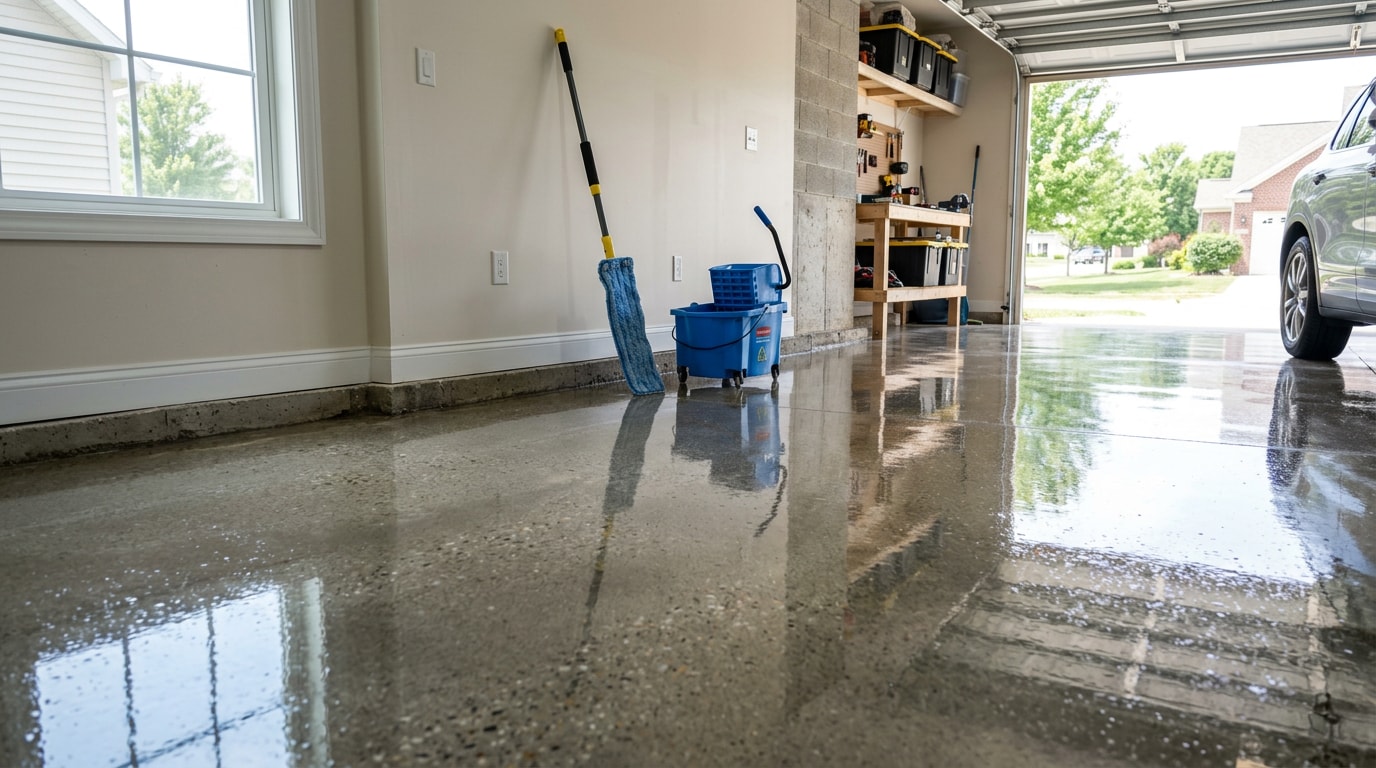
Learning how to clean concrete floors in Frederick, MD starts with figuring out what kind of concrete you actually have, because sealed, polished, painted, and bare slabs each need a different cleaner. Get that wrong and you can etch a $40 garage floor sealer in one afternoon. This guide walks through the water-bead test, the right tools, step-by-step cleaning, stain removal, and how often to repeat it based on Frederick's weather.
Why Does Concrete Get Dirty Faster Than Other Flooring Here?
Concrete is porous. Sealed concrete has far fewer open pores to trap dirt, oil, and water, while unsealed concrete absorbs liquid almost immediately. An oil stain on a bare garage floor can set within hours instead of sitting on top long enough to wipe away.
Frederick's climate makes this worse than it would be in a drier region. The area typically sees close to five months of snow and ice each winter, with January averaging the heaviest accumulation. Maryland's State Highway Administration relies heavily on rock salt and salt brine to keep roads passable during that stretch, and homeowners track that same salt onto garage and basement slabs on their boots and tires. Salt binds with moisture and works into unsealed concrete, which is a big part of why local floors grime up faster than they would in a warmer, drier climate.
Our crews at EMG Paving and Roofing see this pattern every spring: driveways and garage floors that looked fine in November show white salt residue and oil stains by March. Most of that damage is preventable with a sealed surface and a basic cleaning routine.
Know Your Floor: Sealed, Polished, Painted, or Unsealed?
Before you grab a mop, figure out what you're working with. Sealed or polished concrete has a glossy or semi-glossy sheen that repels water. Unsealed concrete looks matte and soaks up moisture fast. This distinction matters because sealed floors tolerate a wider range of cleaners, while unsealed concrete needs non-acidic, non-abrasive products to avoid permanent damage.
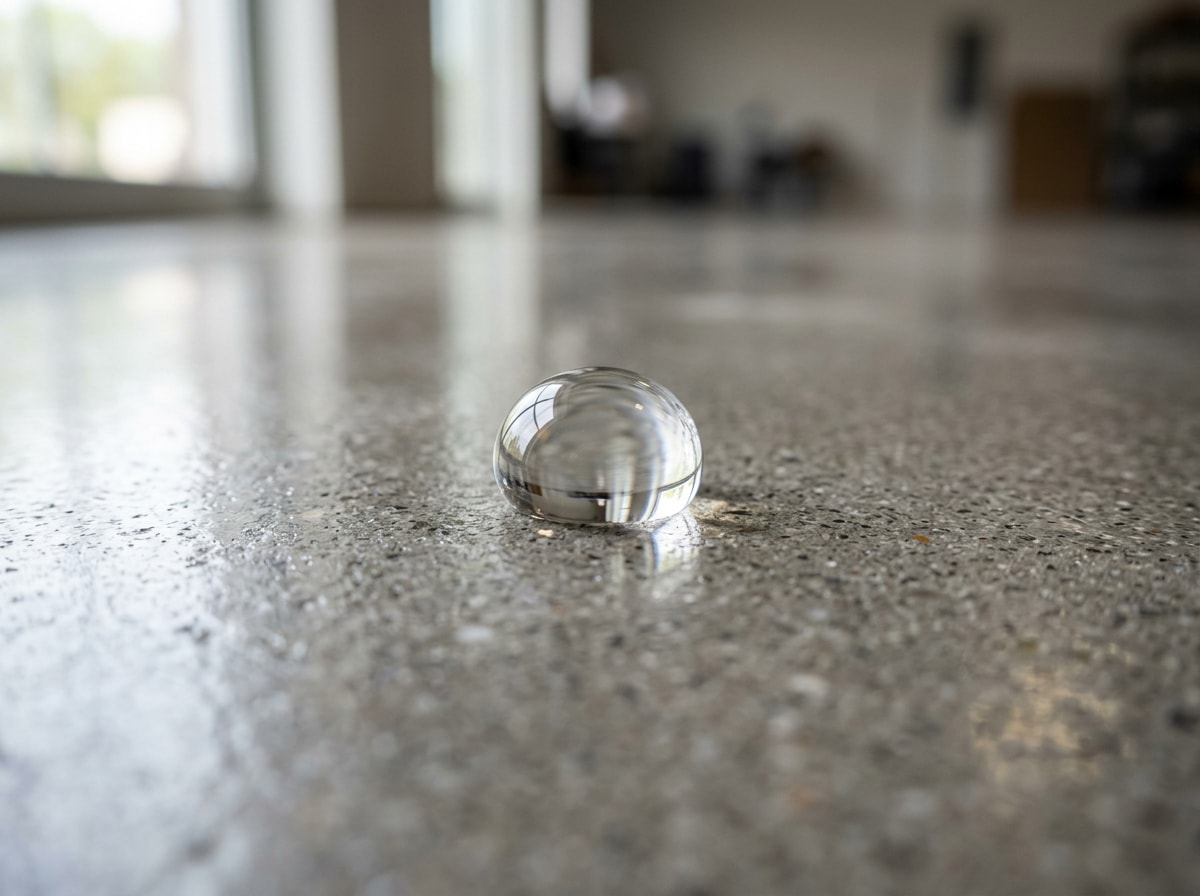
The simplest test: drop a small amount of water on the surface.
- If it beads up, the floor is sealed or polished.
- If it soaks in within a minute or two, treat it as unsealed.
| Finish | Best Cleaner | Avoid |
|---|---|---|
| Sealed | pH-neutral cleaner | Vinegar, bleach |
| Polished | pH-neutral cleaner, microfiber mop | Abrasive pads |
| Painted | Mild dish soap | Solvents |
| Stained | pH-neutral cleaner | Acidic cleaners |
| Unsealed | Water + mild soap | Harsh, undiluted chemicals |
If your slab is pitted, flaking, or cracked beyond what cleaning can fix, no cleaner is going to solve that. Our polymer concrete overlay and repair guide for Hagerstown, MD covers when resurfacing makes more sense than another round of scrubbing, and most of that advice applies equally to Frederick slabs with similar age and exposure.
Tools and Materials You'll Need
Having the right supplies on hand before you start prevents the two most common mistakes: scrubbing with the wrong brush and reaching for a cleaner that etches the surface.
Here's what to gather:
- Soft-bristle broom or a vacuum with a hard-floor attachment
- Microfiber mop and microfiber cloths
- Two buckets, one for cleaning solution and one for rinse water (this two-bucket method keeps you from mopping dirt back onto the floor)
- pH-neutral concrete cleaner or mild dish soap
- A stiff-bristle brush for stubborn spots
- Rubber gloves and safety glasses
- Garden hose or wet vacuum for outdoor slabs
A pH-neutral cleaner matters because it won't react with decorative or sealed concrete the way ammonia, citrus, bleach, vinegar, or pine cleaners can. Those harsher products can etch the surface over time.
If you'd rather hand the scrubbing off to a crew that already knows which product goes with which finish, get a free estimate from our team and we'll walk your property with you first. For guidance on gloves and eye protection when handling any of these chemicals, OSHA's personal protective equipment publication covers the basics of what to wear and why.
How to Clean Concrete Floors: Step-by-Step
Once you know your floor's finish and have supplies ready, the process follows the same four steps whether you're in a kitchen, garage, or basement.
- Dust mop, vacuum, or sweep to remove loose dirt and debris.
- Damp mop with a pH-neutral cleaner and clean water.
- Let the concrete dry fully before foot traffic or rugs go back down.
- Reapply sealer or floor wax periodically for protection.
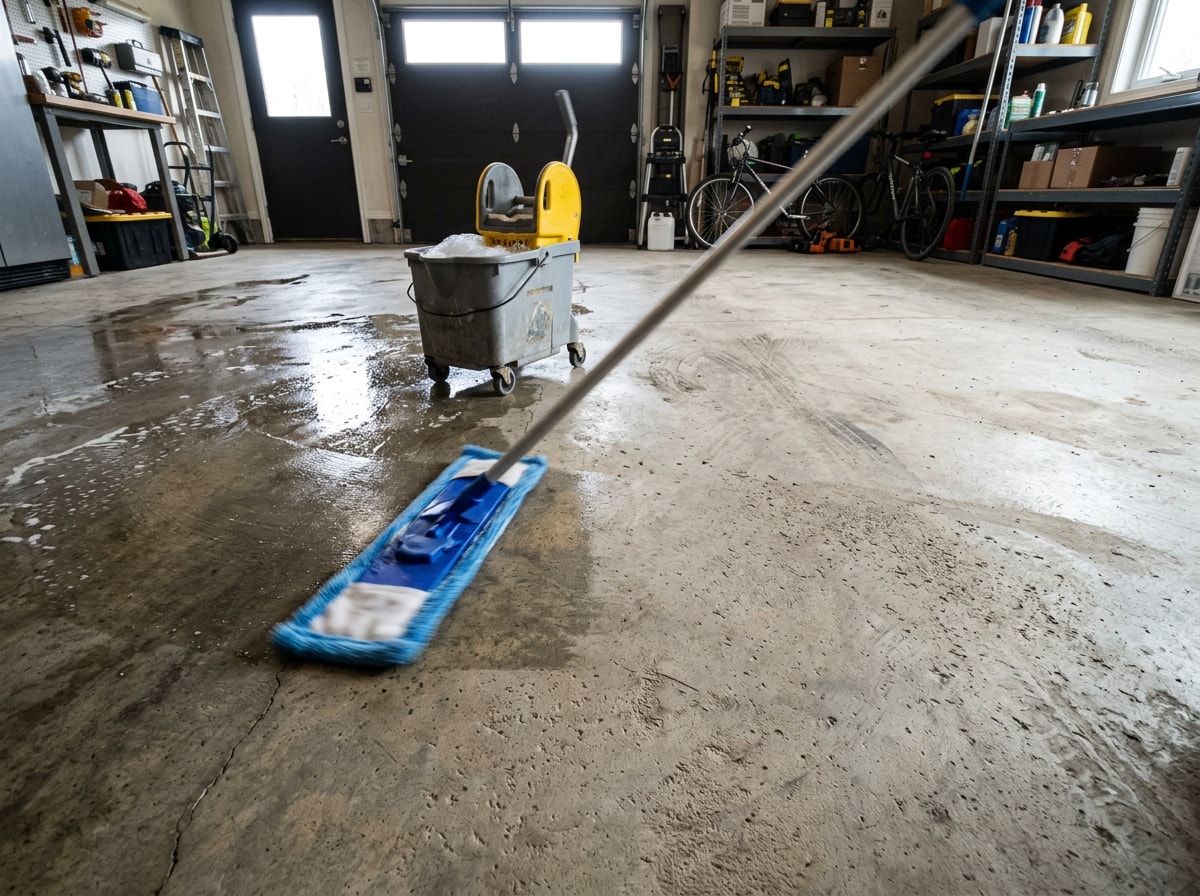
For the damp-mop step, dip a microfiber mop into the solution, wring it out so it's damp rather than soaked, and mop in sections, starting at the far end of the room and working toward the exit. Rinse the mop often so you aren't redepositing dirt.
Tackling Tough Stains
For grease, oil, and other stubborn spots, start with a stronger solution and a stiff-bristle brush. Apply it directly to the stain, scrub in a circular motion, and let it sit a few minutes if the grime won't lift right away. Always test any solution in an inconspicuous spot first.
| Stain Type | Recipe | Caution |
|---|---|---|
| Heavy-duty grime | TSP (trisodium phosphate) mixed with water | Wear gloves; TSP is caustic |
| Oil/grease (gentle option) | Flour and hydrogen peroxide paste, left overnight | Scrape off with a plastic (not metal) scraper |
| Fresh garage oil | Equal parts distilled white vinegar and baking soda | Unsealed concrete only, never on sealed or polished floors |
| Rust spots | Dry cement rubbed with flagstone, or a commercial rust remover | Avoid wire brushes, which can leave metal fibers that cause new rust spots |
Vinegar is acidic, so it should only go on unsealed or bare garage concrete, never on sealed or polished floors, where it can dull or etch the finish.
If your patio or walkway slab is the one with the recurring stain problem, our hardscape installation and walkway and patio installation teams can also talk through resealing or replacement options during the same visit.
How to Clean a Cement Basement Floor in Frederick
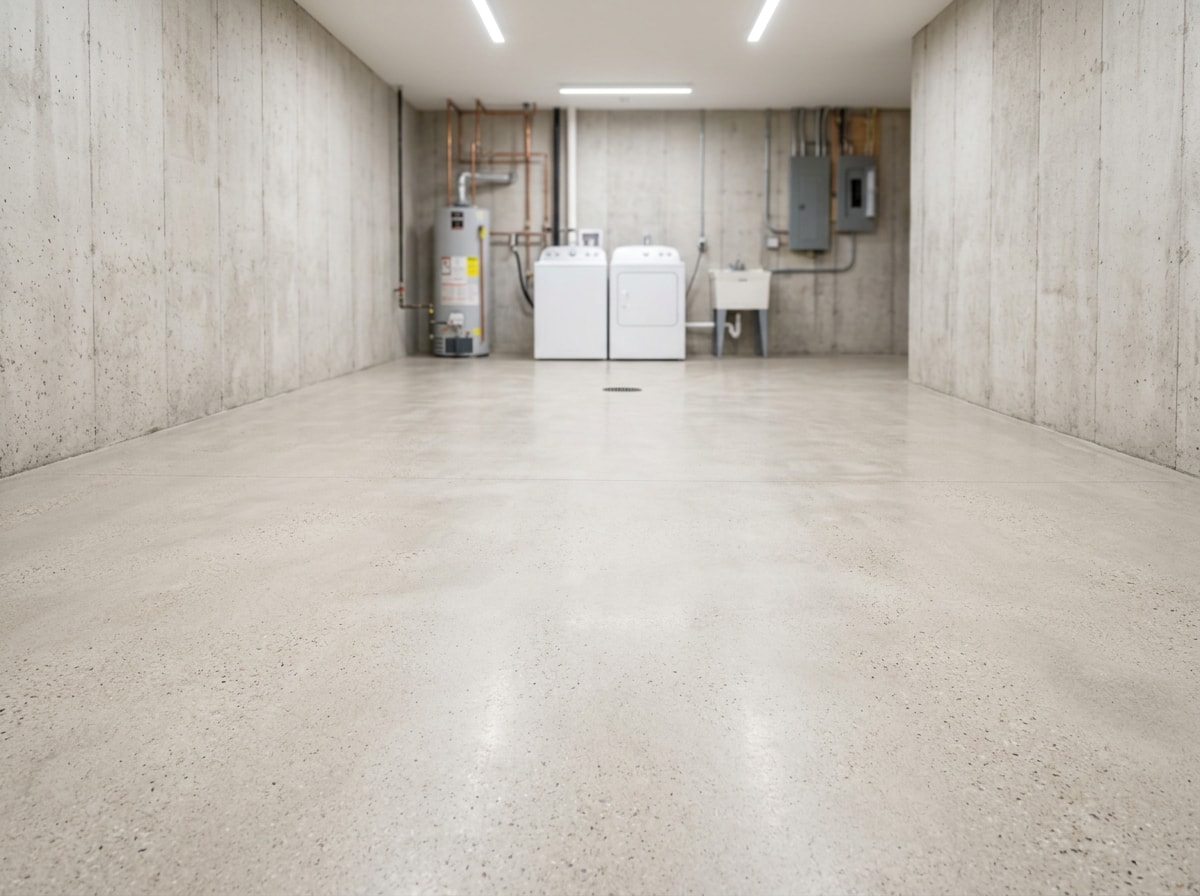
Basements get their own section because they deal with moisture and mold differently than living-space concrete, especially in older Frederick-area homes with limited drainage. Start by clearing the floor completely, then sweep and vacuum to remove loose dirt and debris.
For mildew or mold, a diluted bleach solution helps stop fungus growth. The CDC's guidance on chemical disinfectants notes that household bleach is typically used at a 1:10 to 1:100 dilution depending on the surface and soil level, so check your product label before mixing. Run a fan or crack a window for airflow while it works, and never mix bleach with ammonia or acidic cleaners.
If you see white, chalky efflorescence, scrub it with a stiff nylon brush and plain water rather than a vinegar-and-baking-soda mix. Those two ingredients neutralize each other almost instantly, which weakens the acid before it can do much work. A better approach is a mild, diluted acidic cleaner used alone, followed by a thorough rinse, with sealing afterward so the efflorescence doesn't return.
If a basement floor keeps getting damp no matter how often you clean it, the real problem is often grading or drainage outside the foundation, not the floor itself. Our site grading and preparation service addresses that root cause rather than just treating the symptom.
Why Does My Concrete Floor Still Look Dirty After Mopping?
If your floor still looks dirty after mopping, the cause is usually one of four things.
- Dirty mop water: Switch your rinse bucket every two sections instead of using the same water throughout the job.
- Wrong cleaner: Confirm your product is labeled pH-neutral. General-purpose cleaners often leave a dull haze.
- Unsealed, porous concrete: Bare slabs trap dirt in open pores that no amount of mopping removes. Sealing is the real fix.
- Soap residue streaking: Too much cleaner leaves a filmy coating. Follow up with a plain-water rinse.
How Often Should You Clean Concrete Floors?
Cleaning frequency depends mostly on traffic. Homes with moderate foot traffic do fine with a weekly routine: sweep or dry mop daily, then damp mop once a week. High-traffic areas, like a mudroom or a basement that doubles as a workout space, need daily sweeping or vacuuming and a weekly mop.
Outdoor concrete, like driveways and patios, can go longer between cleanings, but adjust for Frederick's weather. Plan a thorough cleaning after any storm that brings salt or heavy runoff, and schedule a seasonal cleaning at the start and end of winter, since that's when road salt and sand do the most damage to unsealed slabs. For properties that need this handled on a recurring schedule, our seasonal property care service covers exactly that kind of winter-to-spring transition work.
Regular Maintenance and Prevention
A few daily habits go a long way toward keeping concrete floor maintenance manageable.
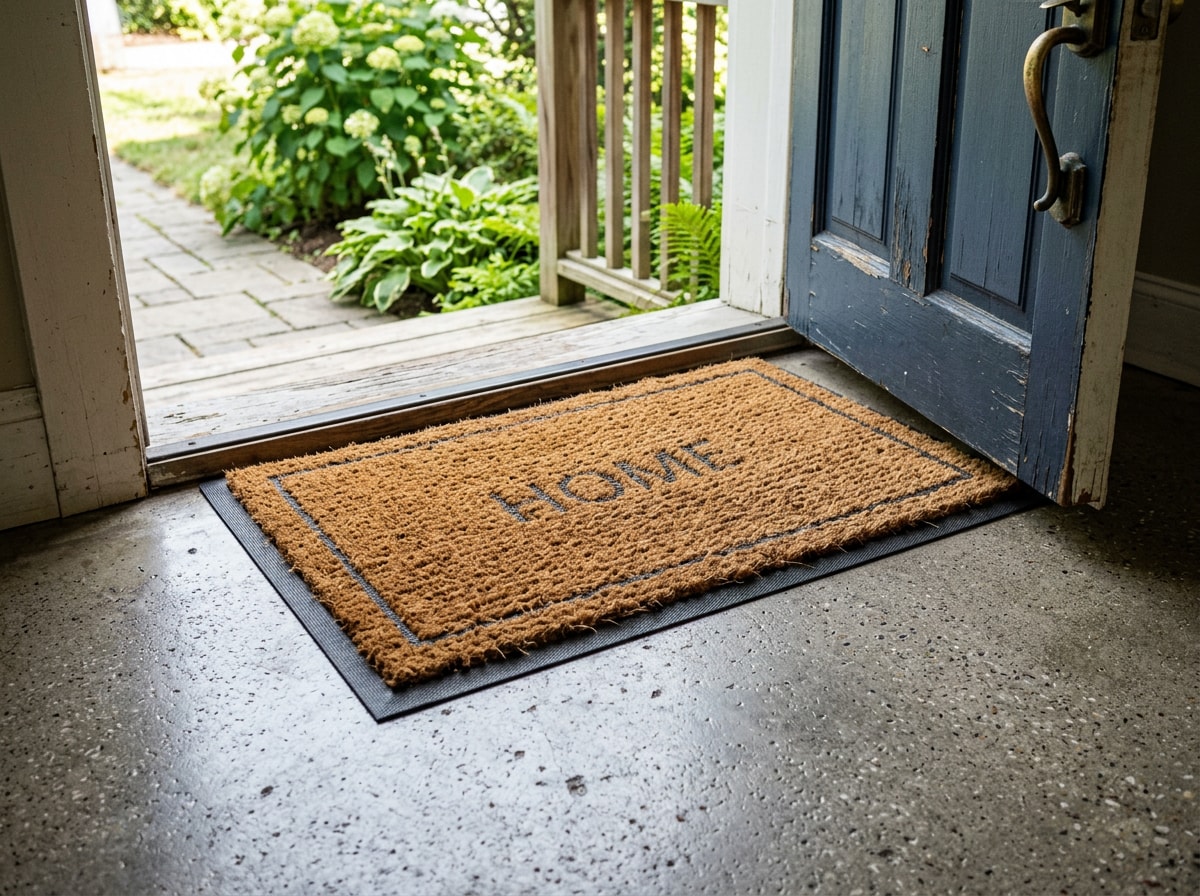
- Place sturdy entrance mats at every door to catch dirt and moisture before it reaches the slab.
- Wipe up spills right away so they don't have time to stain.
- Keep a daily sweep or dust-mop habit in high-traffic zones.
- Add felt pads under furniture legs to prevent scratches.
For longer-term protection, plan on sealant reapplication every few years depending on traffic and wear. The National Ready Mixed Concrete Association's technical notes on corrosion and concrete protection point out that sealers generally need reapplying every four to five years to keep offering meaningful protection. A fresh seal gives the surface extra defense against stains and moisture and makes future cleaning noticeably easier.
Want to see what sealed, finished concrete and hardscape work looks like on properties near you? Browse our completed projects or visit the EMG Paving and Roofing homepage to see the rest of our services.
FAQ
Can You Use a Pressure Washer on Concrete Floors?
Yes, on outdoor unsealed concrete. Keep the pressure low, many pros stay around 1,500 PSI, and keep the nozzle moving in a sweeping motion rather than holding it in one spot. Pressure washing sealed or polished concrete at high settings can etch or strip the finish, so lower the pressure significantly or skip it on those surfaces.
Can You Use Bleach to Clean Concrete Floors?
Diluted bleach works on unsealed or heavily soiled concrete, particularly for mold and mildew, but never mix it with ammonia or acidic cleaners. Avoid bleach on polished or stained finishes, ventilate the area well, and follow the dilution ratio on the product label rather than guessing.
What Is the Best Homemade Cleaner for Concrete Floors?
For most sealed floors, warm water with a few drops of mild dish soap works well. For unsealed garage floors, the vinegar-and-baking-soda solution covered in the tough stains section above handles grease and oil without harsh chemicals.
Can I Use a Steam Cleaner on Concrete Floors?
It's not recommended. The high heat and moisture from a steam cleaner can cause concrete to expand and contract, which can lead to surface cracks over time, especially on older or already-stressed slabs. A damp mop and pH-neutral cleaner is the safer choice for routine cleaning.
Should I Seal My Concrete Floor After Cleaning?
If the water-bead test shows your floor is unsealed, yes. Sealing after a deep clean locks out the dirt and moisture that made the floor hard to clean in the first place, and it's far easier to maintain a sealed slab than to keep deep-cleaning a bare one.