Looking for a concrete come-along in Westminster, MD and getting winch ads mixed in with your search results? You're not imagining it. This guide explains what the tool actually does, what it costs to rent locally, and how to use it correctly before your mixer truck shows up.
What Is a Concrete Come-Along, Exactly?
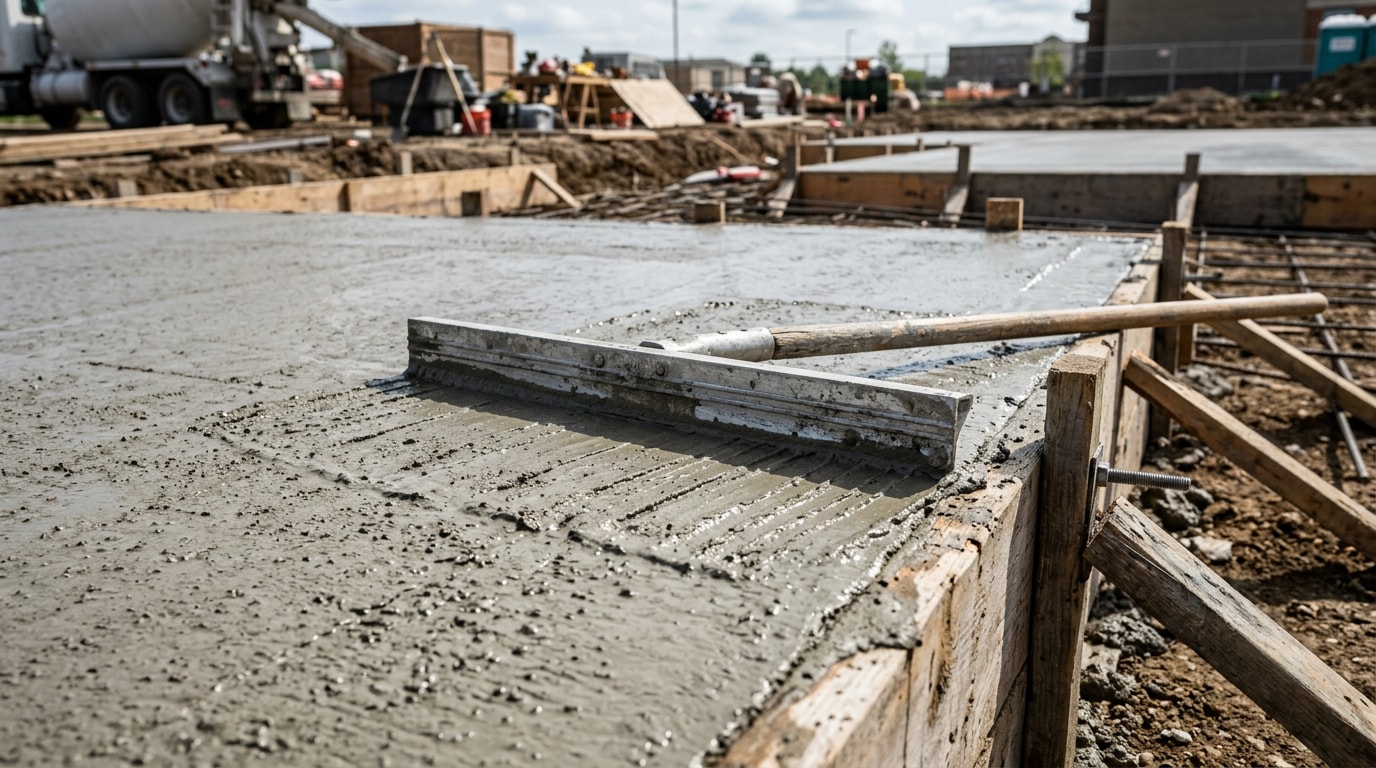
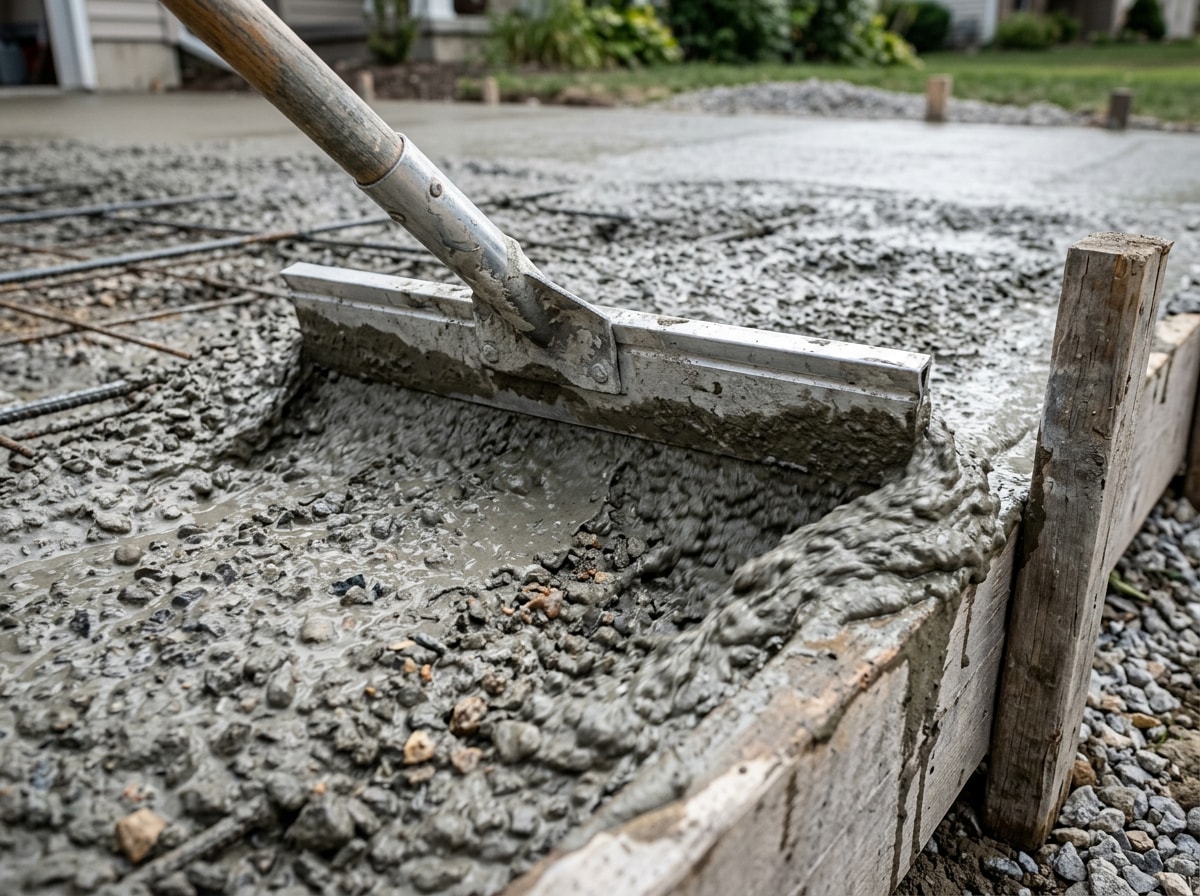
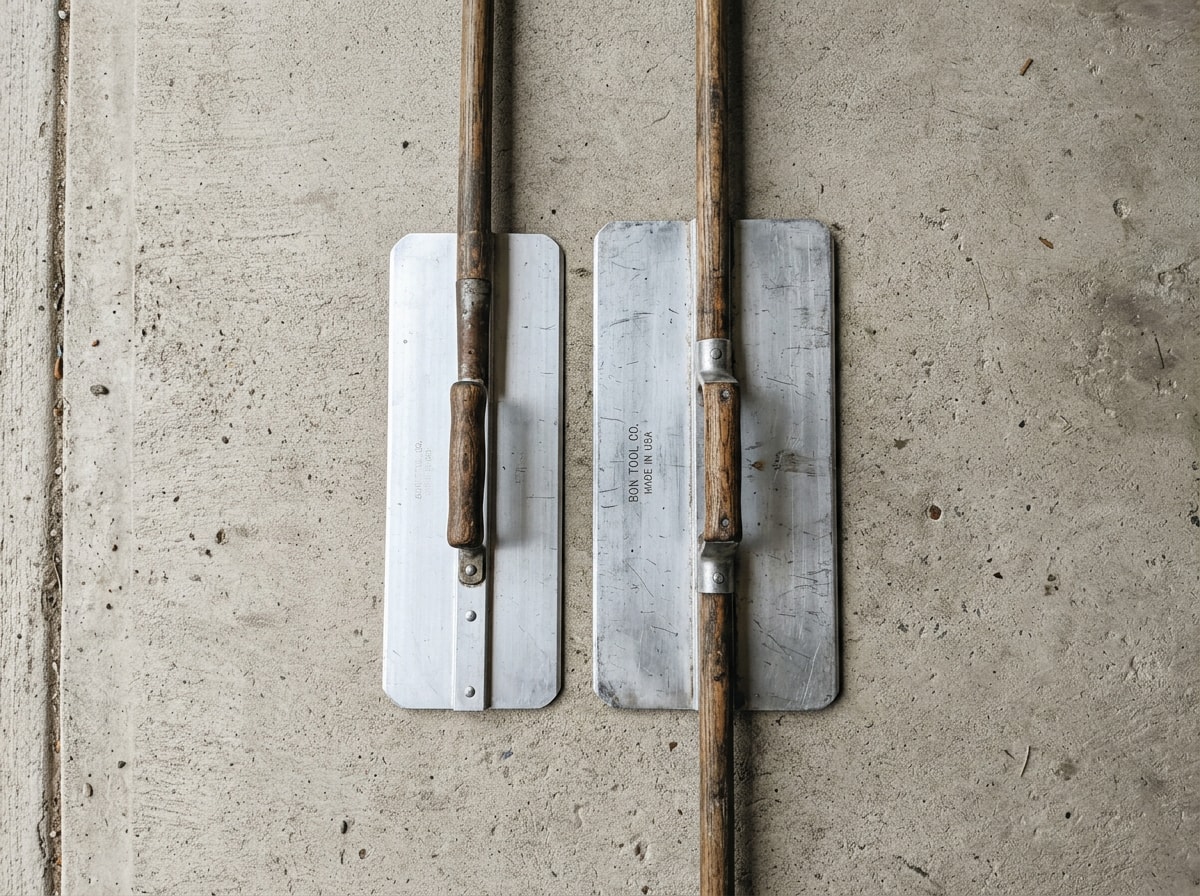
A concrete come-along is a flat-bladed, rake-style tool used to push and pull wet concrete into place before screeding. It is not the ratcheting cable winch most people picture when they hear "come-along" — that confusion is the main reason this search term returns mixed results.
Rental yards sometimes list the same tool as a "concrete placer" to avoid that mix-up. If you're calling a counter, use both terms so the person on the phone pulls up the right item.
A come-along spreads concrete faster and more evenly than a shovel, and it keeps you from knocking forms out of alignment while you work. It's standard equipment for finishers moving mud from the chute to the forms.
Where it fits in the tool lineup:
| Tool | Job on Pour Day |
|---|---|
| Shovel | Moves bulk concrete from chute to general area |
| Come-along | Pulls and rough-levels concrete across the form |
| Concrete rake | Fine-tunes smaller sections after rough placement |
| Vibrator | Consolidates the mix, removes trapped air pockets |
Mixing these up, like trying to level with a shovel, is a common first-timer mistake that costs you time once the mix starts to stiffen.
What a Concrete Come-Along Actually Costs to Rent in Westminster
Here's the part most guides skip: actual local pricing. Ben's Rental, a family-run equipment yard on Baltimore Blvd in Westminster that has served Carroll County for over four decades, lists a concrete come-along in its online catalog at roughly $5 a day and $15 a week.
That's in line with what other regional yards charge for the same tool. Rental listings for comparable aluminum concrete placers elsewhere in the mid-Atlantic run from about $5 to $10 a day and $15 to $40 a week, depending on the yard and the blade size.
A few things to confirm before you drive over:
- Call ahead to check which blade size is in stock — not every yard carries every width.
- Ask about a 4-hour or half-day rate if you only need the tool for rough-spreading, not an all-day pour.
- Bring a photo ID and expect a deposit, especially during busy spring and summer pour season.
Check our Westminster, MD service area page for how we handle concrete-adjacent prep work like grading and hardscape tie-ins in the same neighborhoods these rental yards serve.
Blade Size and Build: What to Actually Look For
Concrete come-alongs are almost always aluminum, not magnesium. Magnesium shows up on bull floats and hand floats, not on the rake-style placer, so don't let a rental counter upsell you on a material difference that doesn't really apply here.
Blade width is the spec that matters. Listed products from tool rental suppliers put typical come-along blades around 16 to 24 inches wide, mounted on handles roughly 48 to 66 inches long, which is considerably narrower than the wide bull-float-style blades some buying guides describe.
A narrower blade gives you more control in tight forms, like a walkway or a small patio pour. A wider blade covers ground faster on a driveway or slab but is harder to maneuver near edges and corners.
Match the handle length to the widest span of your form. Too short, and you're bending over the whole pour. Too long, and you lose control near the edges.
How to Use a Concrete Come-Along: Step by Step
The technique is simple, but it's easy to rush once the truck is running and the clock is on.
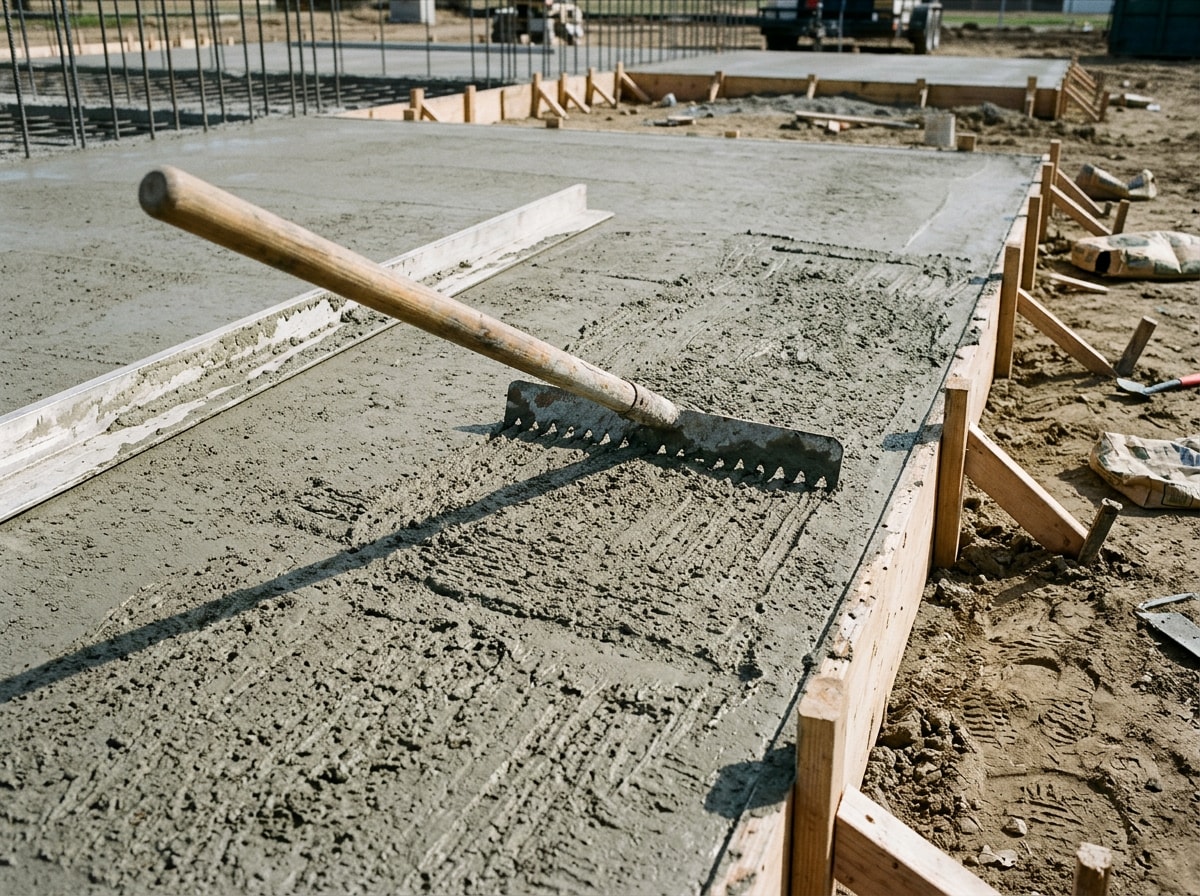
- Start at the far end of the form and pull fresh concrete toward the screed board in smooth, overlapping strokes.
- Work one manageable section at a time instead of the whole form at once. Concrete stiffens faster than most first-timers expect.
- Avoid over-working the mix. Too much back-and-forth pulls water and fines to the surface and weakens the finished slab.
- Once a section is roughly level, move to the next, then circle back to screed.
A couple of habits that save headaches:
- Keep every stroke moving the same direction so you're not re-disturbing concrete you already placed.
- Don't let the blade dig into the subgrade near the forms; that creates low spots.
- Rinse the tool before concrete cures on the blade, and store it flat. Most yards charge a cleaning fee for tools returned caked in dried mix.
Proper placement technique affects more than the surface look. The American Concrete Institute's guide on consolidation of concrete notes that poorly consolidated concrete ends up weaker, more porous, and poorly bonded to reinforcement, which is exactly why rushing the rough-placement step causes problems down the line.
Other Tools You'll Need for the Same Pour
A come-along rarely works alone. For a typical DIY or small-contractor pour, plan on renting a companion set:
- Bull float, for the first smoothing pass after rough-leveling
- Screed board, for striking off excess concrete to form height
- Edger and groover, for clean edges and control joints
- Concrete vibrator, for consolidating the mix and removing air pockets
Renting the full set in one trip beats a second drive to the yard mid-pour, since once concrete starts setting, going back for a forgotten tool isn't really an option. For current availability on companion equipment, browse our walkway and patio installation and site grading and preparation services if your project needs professional help beyond the rental counter.
What to Know Before You Rent
Timing matters more than anything else with concrete. Line up every tool, the come-along, screed, float, and vibrator, on site and tested before the truck arrives.
Safety-wise, a hand tool like a come-along carries minimal silica dust risk compared to saws or grinders. But if you're renting cutting or grinding equipment for the same job, OSHA's respirable crystalline silica construction standard sets exposure limits and required controls that apply to that equipment, not the come-along itself.
Renting generally makes sense for one-off projects. Most homeowners need a come-along once or twice a year at most, which is well below the threshold where buying outright pays off. For a broader look at how rental categories are organized industry-wide, the American Rental Association is a useful reference.
Our crews keep a come-along on the truck for every patio tie-in we run, because the minutes it saves on rough-spreading disappear fast once a mixer is on the clock. If your project is bigger than a weekend DIY pour, or you'd rather skip the rental counter altogether, get a free estimate from our team before you book equipment.
If your project involves decorative work after the structural pour, our concrete molds guide covers shaping and finishing options worth planning for ahead of time.
FAQ
What is a concrete come-along used for?
It pushes and pulls fresh concrete into place and rough-levels it across a form before screeding. It's one of the first tools used right after the mix hits the ground, well before floats or edgers come into play.
Is a concrete come-along the same as a come-along winch?
No. A come-along winch is a ratcheting cable tool for pulling or tensioning loads. A concrete come-along is a flat-bladed rake for spreading wet concrete. The shared name is a coincidence that trips up a lot of first-time renters.
How much does it cost to rent a concrete come-along in Westminster, MD?
Local pricing runs around $5 a day and $15 a week at Westminster-area yards, though rates vary by store and blade size. Always confirm current pricing before you book, especially during peak spring and summer pour season.
Can I use a regular rake instead of a come-along for concrete?
Not really. A garden rake's tines dig into wet concrete and separate the aggregate from the paste, weakening the slab. A come-along's flat blade glides across the surface without that separation.
What other tools do I need for the same pour?
Pair a come-along with a bull float, screed board, edger, groover, and concrete vibrator. Renting the full set in one trip avoids a second visit to the yard once the pour is underway.
Should I buy a come-along instead of renting?
Buying rarely pencils out for homeowners. Most people need the tool once or twice a year, and local daily rental rates are low enough that renting stays cheaper over several projects. Visit our homepage to see the full range of paving and concrete-adjacent services we offer if you'd rather hand the whole project to a crew.