Concrete molds in Edgewater, MD come down to one early decision: rigid or flexible. That choice determines your edges, your reuse count, and whether your casting even releases in one piece. This guide breaks down both mold families, walks through buying and DIY decisions, and flags when a backyard project is better handed to a crew that pours concrete for a living.
Rigid vs. Flexible Concrete Molds: Which Type Fits Your Project
A concrete mold is a container that holds wet concrete in a set shape until it cures. Nearly every mold on the market falls into one of two families, and that split drives most of the buying decisions ahead.
Rigid Molds
Rigid molds are built from wood, metal, or hard plastic. Because these materials hold their shape under pressure, they produce clean, sharp edges and flat surfaces every time.
That rigidity makes rigid molds the default for simple geometric shapes like pavers, stepping stones, and block forms. Plywood is the cheapest DIY entry point since it's easy to cut and assemble. Metal and hard plastic molds show up more in commercial production, where repeated high-volume pours demand consistent dimensions.
Flexible Molds
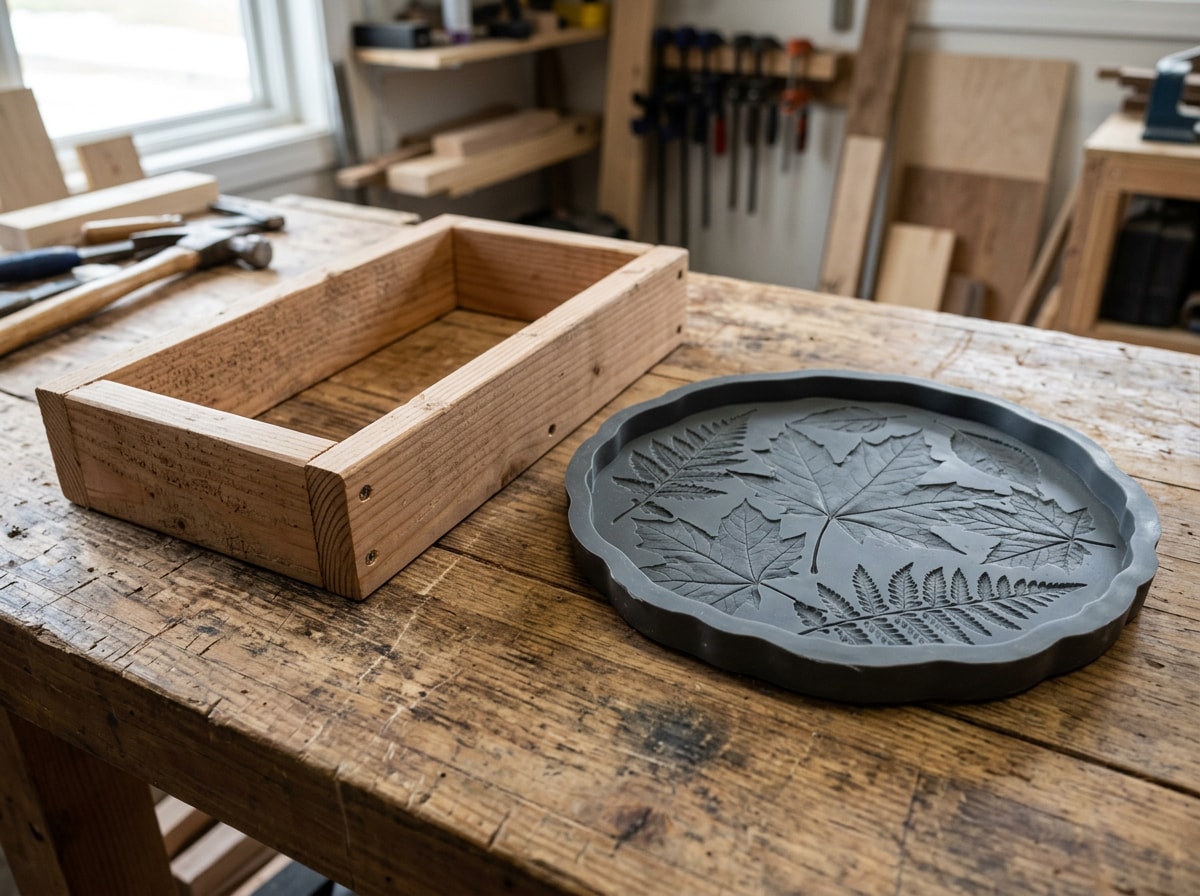
Flexible molds are made from pliable materials, mainly silicone, rubber, or heavy plastic sheeting, that bend and stretch to release intricate shapes. They're the better call when a design includes fine detail, texture, or undercuts a rigid form can't let go of without tearing the cast.
Flexible molds dominate decorative work: leaf-textured stepping stones, statues, anything with raised or recessed detail. Silicone handles undercuts especially well because the material stretches away from hardened concrete instead of fighting it. Rubber offers similar flexibility at a lower price, though it tends to wear faster under repeated use.
How to Choose the Right Concrete Mold
Material, size, and intended use all affect your final result as much as shape does. Weigh these factors against your project and budget before you buy.
Mold Material: Silicone vs. ABS Plastic
Silicone and ABS plastic are the two most common materials for ready-made decorative molds, and each suits a different job. Silicone flexes for detailed, undercut designs and demolds easily. ABS plastic is rigid, budget-friendly, and built to survive repeat, simple pours.
| Factor | Silicone | ABS Plastic |
|---|---|---|
| Typical retail price | Higher per mold | Lower per mold |
| Reuse potential | Good, especially with proper release agent | Good for simple shapes, less so for fine detail |
| Demolding difficulty | Easy, flexes away from the cast | Moderate, usually needs a release agent |
| Best project type | Detailed, textured, ornamental pieces | Simple pavers, blocks, repeat shapes |
Exact pricing and reuse counts vary a lot by brand, mold size, and how well you clean and store each piece, so treat this as a starting comparison rather than a quote.
Project Size, Detail Level & Local Climate
Larger molds hold more volume, which means longer cure times and a heavier piece to move once it's out. Think through where the project will live before you buy. A stepping stone mold cures faster and is easier to handle than a large retaining-wall form.
Detail level matters too. Fine texture, lettering, or sculptural features generally need flexible molds, since rigid forms can't capture undercuts without trapping the cast.
Edgewater sits right on the Chesapeake Bay, which means high humidity, salt air, and freeze-thaw cycles in winter. Outdoor castings here need a proper sealer and enough cure time before their first hard freeze, or you risk surface scaling by spring. If a project is heading outdoors in this climate, durability and sealing matter more than they would for an indoor decorative piece.
How to Build Your Own Concrete Mold
Buying a mold isn't the only route. Building your own gives you control over size and shape, and it's usually cheaper for one-off or oversized projects.
Materials & Tools You'll Need
Plywood, plastic sheeting, silicone rubber, and sheet metal are the most common DIY mold materials. Plywood is the easiest entry point for beginners, while silicone rubber takes more setup but captures far more detail.
You'll generally need:
- A tape measure and square
- A saw for cutting mold panels
- A drill with screws for assembly
- A mixing tub or paddle mixer for the concrete
- A proper respirator and a ventilated workspace
That last item isn't optional. Mixing dry cement releases fine crystalline silica dust, a documented respiratory hazard. OSHA's Respirable Crystalline Silica standard for construction requires employers to limit worker exposures to respirable crystalline silica and to take other steps to protect workers. Treat a backyard mixing session with the same caution.
Step-by-Step: Prep, Pour, Cure
- Measure your intended shape twice and mark your material before cutting anything.
- Cut the panels, assemble the frame with screws or adhesive, and check every corner for square.
- Coat the interior surfaces with a release agent in a thin, even coat.
Before you start applying the form release agent, make sure the form is clean and dry.
- Mix concrete to a workable, lump-free consistency and pour in steady layers rather than all at once.
- Tap the mold sides or use a vibrating tool to release trapped air bubbles, which otherwise show up as surface pits once cured.
- Let the concrete set before handling. Initial set typically happens within 24 to 48 hours, but full strength takes longer.
That last point trips up more first-timers than anything else. In general, specified strength for concrete applies at an age of 28 days. Rushing a demold before that window doesn't just risk cracking, it can quietly cost you strength you'll never get back. Lack of adherence to proper initial curing is very common and has been found to result in a 20% reduction of the potential 28-day compressive strength, on average. That stat applies to job-site slabs, but the same physics apply to a planter mold curing in your driveway.
Pro Tips to Avoid Common Mistakes
- Don't overfill. Pour slightly below the mold's rim to leave room for leveling and avoid spillover.
- Apply release agent evenly.
Spray the form release agent evenly onto the surface of the form rather than dumping it on in one heavy pass.
- Don't rush the cure. Pulling a cast too early cracks edges and deforms detail work. Patience at demolding pays off in a cleaner finished piece.
Project Ideas: What to Cast With Your Molds
Once you've got a mold and a feel for the process, the project list is long. Here are the builds most homeowners start with.
Garden Paths, Stepping Stones & Pavers
Stepping stone and paver molds are the easiest entry point for first-time casters. Lay out your path pattern, pour one stone at a time, let each cure fully, then set them into the ground or a sand bed as you go. A basic garden path can be built over a weekend with just one or two reusable molds.
Planters, Patio Tiles & Garden Decor
Concrete planters and patio tiles are another accessible project, often using rigid molds for geometric shapes or flexible molds for textured finishes. Planters work well as a first flexible-mold project since mistakes are easier to hide inside a functional container.
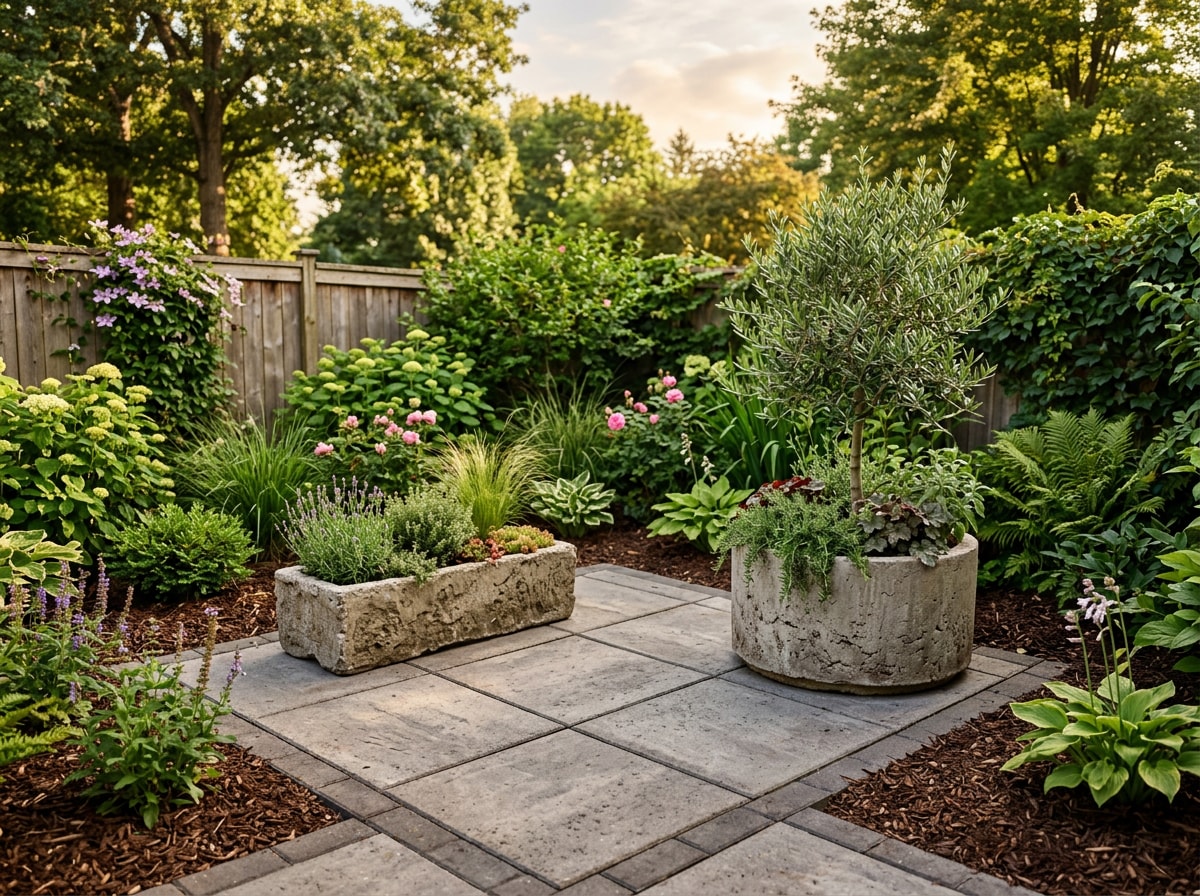
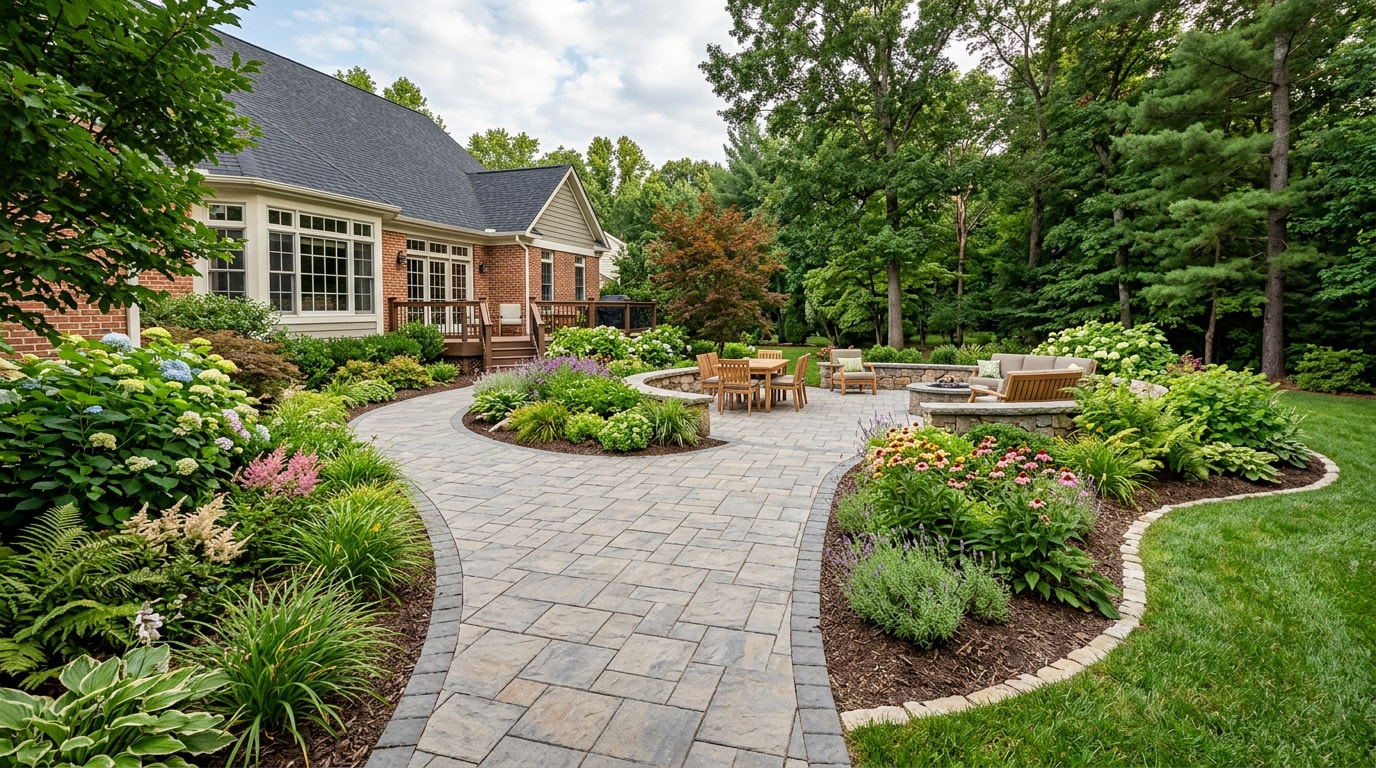
If you'd rather see professionally installed patio work before committing to DIY, our concrete patio designs guide for Harford County breaks down layouts, costs, and permit basics that apply across the region, including Edgewater.
Retaining Walls, Fountains, Bird Baths & Statues
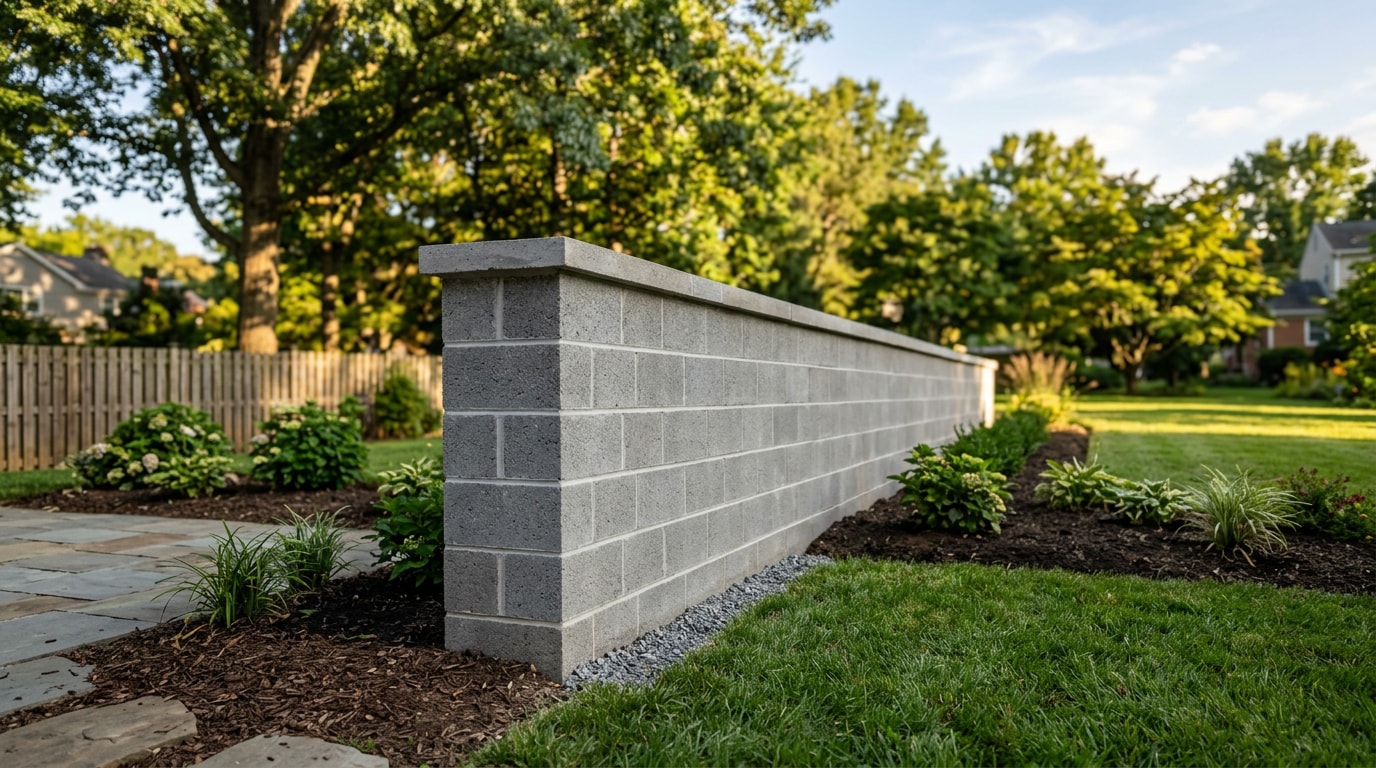
Larger projects like retaining wall blocks, fountains, bird baths, and statues step up both the mold size and the skill required. These often involve multiple pours or multi-part molds, and larger concrete volumes take noticeably longer to cure before they're safe to stack or handle. Plan extra time rather than forcing a weekend-project pace.
When to Call a Local Pro Instead of DIY
Small decorative castings are forgiving. Structural ones aren't. We've handled plenty of Anne Arundel County jobs where a homeowner's DIY mold project for a small retaining wall or paver walkway turned into a call for help once grading, drainage, or wall height crossed into permit territory.
A few signs it's time to bring in a contractor instead of a mold kit:
- The wall or structure exceeds a few feet in height
- The project needs proper site grading or drainage work first
- You're connecting new concrete to an existing driveway, patio, or foundation
- The scope has grown from "a few stepping stones" into a full walkway or patio
If any of that sounds familiar, our hardscape installation and walkway and patio installation teams handle the structural side, and our site grading and preparation crew gets the base right before any concrete goes down. We also cover insulated concrete form builds specific to this market in our Edgewater ICF guide if your project is leaning structural rather than decorative.
Get a free estimate before you buy materials. It costs nothing to find out whether DIY molds or a professional pour is the better fit for your project and budget.
FAQ
How Long Do Concrete Molds Last?
Lifespan depends on material, thickness, and how carefully you clean and store a mold between pours. Thinner plastic or rubber molds handle fewer casts; thicker silicone or ABS molds generally last longer with proper care.
How Should I Store My Concrete Molds?
Store molds somewhere dry and cool, away from direct sunlight, which degrades rubber and plastic over time. Clean and fully dry each mold before stacking, and pad between layers to avoid warping thinner forms.
Why Are My Castings Sticking to the Mold?
Sticking usually comes down to too little release agent, the wrong release agent for your mold material, or demolding too soon. Reapply release agent evenly before every pour and match the product to your mold material.
How Do You Make Reusable Concrete Molds?
Reusable molds typically rely on silicone, rubber, or thick ABS plastic paired with proper release-agent prep before every pour. If you're building your own, follow the same material and prep steps covered above to get the most casts out of a single form.
How Much Do Concrete Molds Cost?
Costs vary widely by material, size, and detail level. Simple rigid plastic or wood molds for pavers and stepping stones tend to sit at the low end, while detailed silicone molds for statues or textured work cost more. Check current pricing with your chosen supplier before budgeting a project.
Do I Need a Permit for a Concrete Project in Edgewater?
Small decorative castings like stepping stones or planters generally don't need a permit. Larger structural work, retaining walls above a certain height, patios tied to drainage, or anything near a property line, often does. Check with Anne Arundel County before you pour, or contact us and we can help you figure out what applies.
Start browsing more Maryland concrete resources on our homepage, or compare pricing in our Concrete Resurfacing Cost in Baltimore County guide if your project includes restoring an existing slab alongside new castings.